How to Test Air Quality in Your Home

The air in your home plays a huge role in your overall health and comfort. While it might seem invisible, poor indoor air quality can cause all sorts of issues, from allergies to fatigue. But how can you tell if your air is as clean as it should be? Here's a guide to home air quality testing for your home and what you can do to make your space healthier.
Why Test the Air in Your Home?
Bad air quality doesn't just make your house feel stuffy; it can lead to serious health risks. Indoor air pollutants like mold spores, volatile organic compounds (VOCs), and particulate matter can affect your eyes, nose, and throat, and even cause long-term respiratory problems.
Symptoms of bad air quality in your home might include:
- Frequent headaches or dizziness
- Persistent coughing or sneezing
- Irritation in the eyes, nose, and throat
- Fatigue or trouble breathing
If you've noticed any of these issues, it's time to test your home's air quality.
What Is Indoor Air Quality Testing?
Indoor air quality testing involves checking for pollutants that may be floating around your house. These pollutants can come from everyday items like cleaning products, gas stoves, or even your ventilation system.
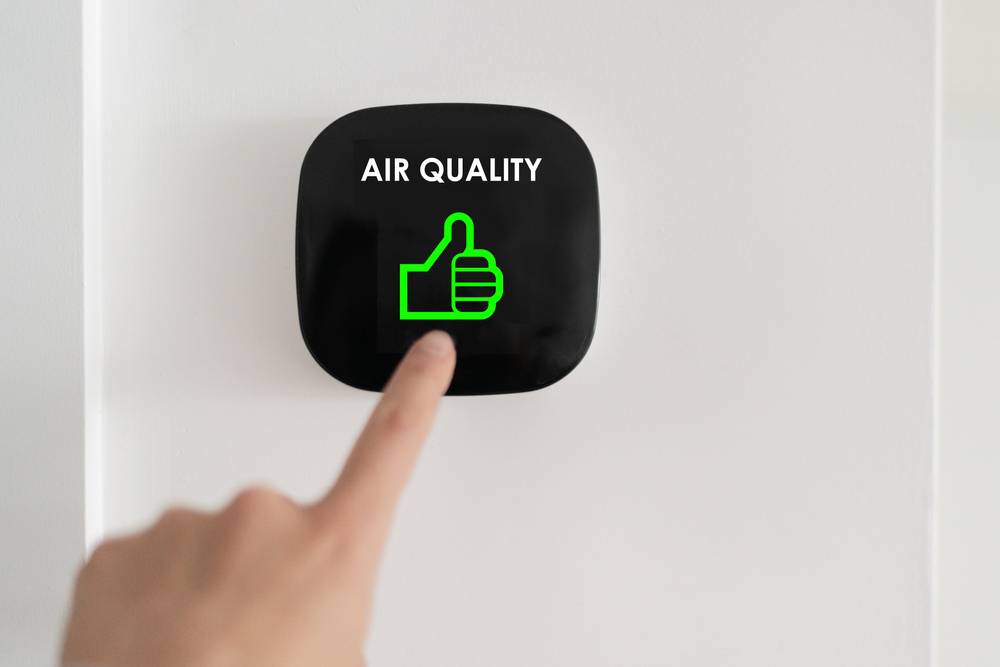
The good news? Testing is easier than you think. With tools like an air quality checker in house, you can identify problem areas and take steps to fix them.
How to Test Air Quality in Your Home
If you're wondering how to get started, here are a few simple steps to test the air in your home:
- Visual Inspection
Look for visible signs of mold and mildew, as these are common sources of poor indoor air quality. Check damp areas like bathrooms, basements, and around windows for any growth or musty smells. - Use an Air Quality Checker
Invest in an air quality checker in house to measure particulate matter and high levels of VOCs. These handy devices can give you instant readings of the air pollutants present in your home. - Professional Home Air Quality Testing
For a more detailed analysis, consider hiring a professional to test your home's air quality. They can provide in-depth results on pollutants, including VOCs and mold spores, and recommend solutions tailored to your space. - DIY Air Quality Kits
Home testing kits are an affordable option for measuring pollutants like VOCs or radon. Follow the instructions, send your samples to a lab, and get results in just a few days.
Common Sources of Indoor Air Pollutants
Understanding where pollutants come from can help you improve the air in your home. Here are some typical culprits:
- Mold and Mildew: These thrive in damp spaces with poor ventilation.
- Cleaning Products: Many contain chemicals that release VOCs into the air.
- Gas Stoves: Without proper ventilation, these can produce harmful gases.
- Dust and Pet Dander: These contribute to particulate matter that can irritate your lungs.
How to Improve Indoor Air Quality
Once you've tested your home's air quality, it's time to take action. Here are some tips for improving indoor air quality:
- Ventilation Is Key
Ensure proper ventilation in every room. Use exhaust fans in kitchens and bathrooms, and open windows to let in fresh air when weather permits. - Invest in Air Purifiers
Air purifiers with HEPA filters can remove dust, dander, and even some VOCs, giving you cleaner air to breathe. - Control Humidity
Keep humidity levels in check to prevent mold growth. Dehumidifiers can help if your home feels damp. - Switch to Natural Cleaning Products
Many traditional cleaning products emit VOCs. Opt for natural or eco-friendly options to reduce pollutants. - Regular Maintenance
Keep your ventilation systems clean and change HVAC filters regularly. Dirty filters can trap pollutants and recirculate them into your home.
When Should You Test Your Home's Air Quality?
You don't need to wait for symptoms to show up before testing. Here are some situations where home air quality testing is especially important:
- After a renovation or new furniture installation
- If you notice a musty smell or visible mold
- When someone in your household experiences unexplained health issues
- If you use a lot of cleaning products or have a gas stove
Breathe Easier with Better Indoor Air Quality
Testing your home's air quality might feel like a big task, but it's a crucial step toward creating a healthier living space. From using an air quality checker in-house to improving proper ventilation, small changes can make a big difference in how you feel every day.
At Rick's Affordable Heating & Cooling, we're here to help you maintain clean air and efficient ventilation systems. From regular AC maintenance to full air quality services, contact us today for professional advice on how to improve the air in your home. Breathe easy—your home's comfort is in great hands!