Say Goodbye to Musty Smells: HVAC Tips for Cleaner, Fresher Air
TL;DR: Musty smells usually mean excess moisture your HVAC system isn't managing. Dirty filters, duct issues, or poor humidity control allow odors to spread. Regular maintenance and moisture control fix the problem.
- Excess humidity causes musty odors
- Dirty filters and ducts trap moisture
- Dehumidifiers help prevent mold
- Call an HVAC pro if smells persist
That distinct musty smell in the house isn't just unpleasant—it's your home telling you something's wrong. Most homeowners notice it first thing in the morning or when they return from vacation. The stale, earthy odor seems to hang in the air no matter how many windows you open.
What's Behind That Unpleasant Odor?
Understanding what causes a musty smell in the house means you need to realize that you're likely dealing with excess moisture.
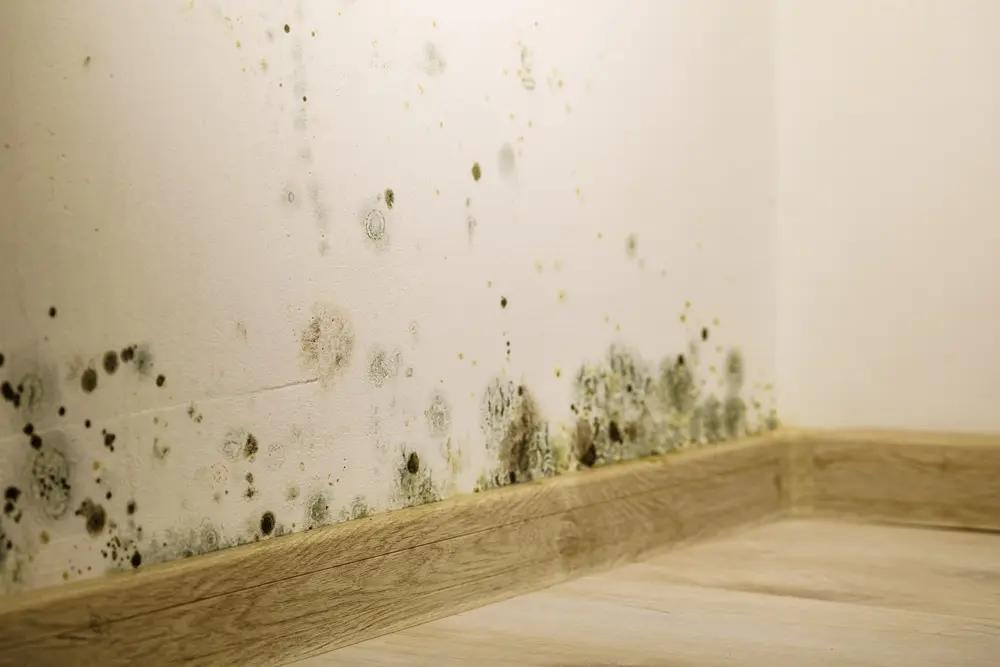
Your HVAC system plays a bigger role in this than you might think. When air conditioners or heating systems can't properly regulate humidity levels, moisture accumulates in hidden spaces. Mold and mildew thrive in these damp environments, releasing those telltale musty odors throughout your home.
Dirty air filters are also a common cause. When your filter gets clogged with dust, pet dander, and other debris, airflow is restricted, and moisture is trapped, creating the perfect breeding ground for microbial growth. Leaking ductwork can also pull in humid air from crawl spaces or attics and cause musty smells throughout every room.
Taking Action Against Mustiness
Learning how to get rid of a musty smell in the house means addressing both the symptoms and the source. Here's what you can do:
Change Your Air Filter Regularly
You can start by changing your air filter. A fresh, high-quality filter improves circulation and reduces moisture buildup, so you'll want to check it every month and replace it every 1-3 months.
Schedule Professional Duct Cleaning
Consider having your air ducts professionally cleaned. Years of accumulated dust and debris inside ductwork can harbor mold spores and bacteria, contributing to poor indoor air quality. Clean ducts mean having cleaner and fresher air circulating through your home.
Install a Whole-Home Dehumidifier
Installing a whole-home dehumidifier, combined with your HVAC system, can make such a huge difference. It maintains optimal humidity levels between 30%-50%, making it nearly impossible for mold and mildew to form.
When to Call the Professionals
Sometimes DIY solutions aren't enough. If you're wondering who to call for a musty smell in the house, an experienced HVAC technician should be your first phone call. They've got the tools and expertise to identify hidden moisture problems, test your indoor air quality, and recommend targeted solutions.
Professional air quality services include comprehensive inspections of your entire HVAC system, from the furnace and AC unit to every inch of ductwork.
Professional technicians can spot issues you'd never notice, like condensation problems in your AC drain pan or moisture accumulation in your air handler. They'll also measure your home's humidity levels and check for proper ventilation throughout the rest of your house.
FAQs
Why does my house smell musty, but no mold?
You don't always need visible mold to get that musty smell. High humidity alone can make fabrics, carpets, and wood absorb moisture and give off earthy odors. Bacteria and mildew can also grow in hidden spots, like inside walls or ductwork, where you can't see them. Poor ventilation traps stale air and makes the problem worse.
Why does my HVAC smell musty when I turn it on?
That musty blast usually means that there's moisture sitting on your evaporator coil or in your drain pan. When these parts don't properly dry out between cycles, mold and mildew start growing. A dirty filter can also trap moisture, and when you turn the system on, it blows all those accumulated odors straight into your home.
Final Thoughts
Prevention is always easier than remediation. You should schedule regular HVAC maintenance at least twice a year to keep your system running efficiently and effectively. A well-maintained system regulates temperature and humidity properly, which means you won't deal with musty odors in the first place.
Don't ignore strange smells either, as they're warning signs that deserve attention. The sooner you address what's causing these issues, the easier and less expensive the fix will be.